
Stay up to date with
Engine’s weekly newsletter:
NEWS FEED

Statement on the Limiting Section 230 Immunity to Good Samaritans Act
The Limiting Section 230 Immunity to Good Samaritans Act from Sen. Josh Hawley (R-Mo.) is a barely legible piece of legislation that would effectively ban all content moderation on Internet platforms.
Statement on Executive Order on Content Moderation
The White House’s executive order on “preventing online censorship” is a dangerous move that will encourage bad faith lawsuits, and dismantle the fundamental and commonsense legal framework that startups depend on to compete in today’s Internet ecosystem and keep their platforms free of objectionable content.
Statement on the EARN IT Act
The Eliminating Abusive and Rampant Neglect of Interactive Technologies (or EARN IT) Act from Sens. Lindsey Graham (R-S.C.) and Richard Blumenthal (D-Conn.) addresses a critical issue—stopping online child exploitation, which is a goal that startups share. But, as currently drafted, the bill threatens to unnecessarily disrupt the regulatory framework that has helped the Internet flourish and potentially ban the use of strong encryption technologies that protect user safety.
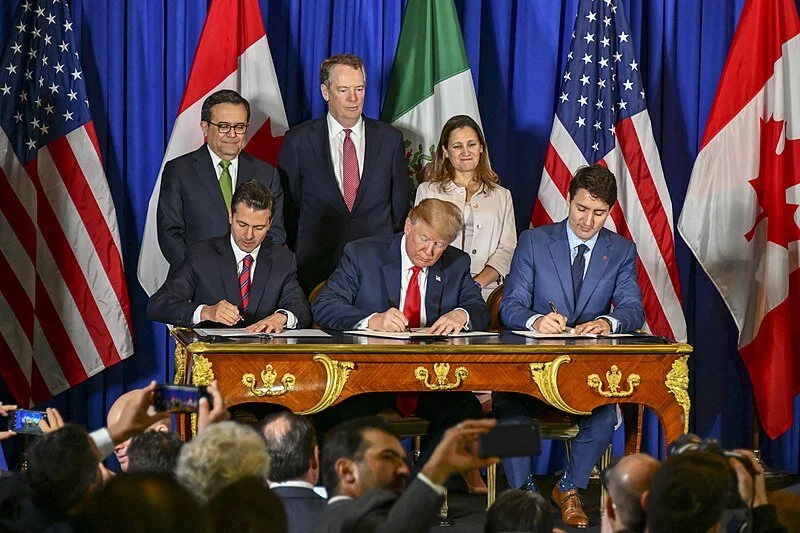
Trade agreements give startups certainty
When the United States negotiates trade agreements, it has the chance to give startups a similar legal framework abroad that they rely on domestically. This is critically important for smaller companies looking to effectively compete in an increasingly global ecosystem. While Congress still has the ability to update that digital legal framework as it sees fit, the inclusion of digital trade protections in trade agreements gives startups the certainty they need to compete globally.

Report: Nuts & Bolts of Content Moderation
In this report, and through a series of events in Washington, D.C. in the summer of 2019, Engine and the Charles Koch Institute sought to unpack the nuts and bolts of content moderation. We examined what everyday content moderation looks like for Internet platforms and the legal framework that makes that moderation possible, debunked myths about content moderation, and asked attendees to put themselves in the shoes of content moderators.

Statement on the Ending Support for Internet Censorship Act
In an effort to address a non-existent problem, the new Ending Support for Internet Censorship Act from Sen. Josh Hawley (R-Mo.) would dismantle the sensible regulatory regime that is responsible for the development of the Internet.
Engine Files Amicus Brief in HomeAway vs. City of Santa Monica
Engine filed an amicus brief in HomeAway.com Inc. and Airbnb Inc. vs. City of Santa Monica calling for the full Ninth Circuit to rehear whether Santa Monica, California can force home-sharing companies to police third-party content.

Primer: Value of Section 230
A primer on the costs of Section 230 and why even the threat of lawsuits can hurt startups.
Report: Nuts & Bolts of User-Generated Content
An ebook for policymakers on the laws surrounding user-generated content and intermediary liability on the Internet.

Letter from Online Creator Platforms on Article 13
Current legal frameworks have allowed us to build creative online communities that have enabled musicians, writers, artists, developers, designers, and filmmakers throughout Europe to access a global online market. We are concerned that proposed changes to the European Copyright Directive, specifically Article 13, will threaten the existence of these vibrant online communities.

Primer: Intermediary Liability
A primer on Section 230 and why intermediary liability matters to startups.

Engine's Statement on the Senate Passage of SESTA
Engine's Statement on the Senate Passage of SESTA


Engine's Statement on House Rules Committee Consideration of H.R. 1865
Engine's statement following the announcement from the House Committee on Rules to consider H.R. 1865, the Allow States and Victims to Fight Online Sex Trafficking Act (FOSTA) on Monday, February 26th and the proposed amendment by Rep. Walters to include language from the Senate’s Stop Enabling Sex Traffickers Act (SESTA)

Engine Supports Changes to House Sex Trafficking Bill
Sex trafficking is a heinous and tragic crime. It requires a thoughtful solution that gives prosecutors the tools they need to seek justice for victims and enables the private sector to assist in identifying and dealing with bad actors.

TechFreedom + Engine: How SESTA Fails to Counter Sex Trafficking
TechFreedom and Engine have teamed up to discuss how Sen. Portman and Blumenthal's bill will not solve the sex trafficking problem.

Engine Remains Opposed to the Stop Enabling Sex Traffickers Act
Engine remains opposed to the Stop Enabling Sex Traffickers Act (SESTA).

Startups Weigh in on NAFTA Negotiations
58 startups signed a letter today to the Trump administration to urge any NAFTA renegotiation must preserve and promote the U.S. framework for creation and innovation.

Senators, Congressmen Agree: Need to Find “Common Ground” on CDA 230
Members of Congress & witnesses at recent committee hearings agree that drafted legislation can be improved to better achieve the shared goal of stopping sex trafficking online.