


IP

What's Up With Patent Reform?

Sen-Leahy1.jpg

With momentous bipartisan support not often seen from Congress these days, the Innovation Act, targeting patent trolls and their abusive practices, passed the House of Representatives with 325 votes to 91. That this Congress, with its historic levels of impasse, was able to come together to pass this bill speaks volumes about the extent of the patent troll problem. As some of us know all too well, patent assertion entities have cost US businesses time, talent and money -- not to mention the incalculable chilling effect their tendencies for extortionist litigation have had on innovation.

Now, the patent reform effort moves to the Senate with the Patent Transparency and Improvements Act introduced by Senators Leahy and Lee. The Senate bill reflects some provisions from the House bill, including fee-shifting and a system that would allow stays in lawsuits against customers and end users -- but this bill definitely is more narrowly focused on egregious litigation abuses.

This bill suggests new guidelines for dealing with demand letters. Under Senator Leahy’s Act, demand letters must include a statement of the patent asserter’s identity, the patent being asserted, and the reasons for the assertion. Additionally, the Senate bill would authorize the FTC to act against unfair and deceptive practices associated with the sending of fraudulent or materially misleading demand letters. With a nod to the root of the problem -- poor quality patents -- this bill would also improve patent review procedures requiring that the PTO apply the same claim construction used in court, rather than the “broadest reasonable interpretation.”

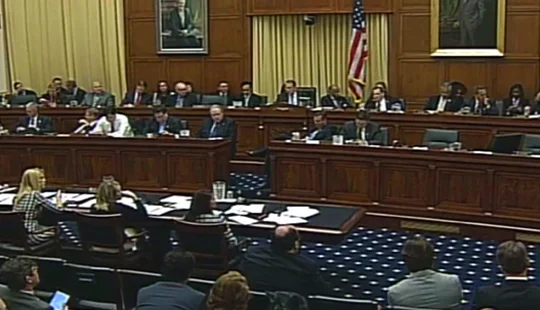
While Democratic leaders on the House Judiciary Committee announced their support for the Leahy-Lee approach over Representative Goodlatte's House bill, a number of Senators are urging general restraint after pushback from the university community and unease over loser-pays provisions.

We hope the Senate will act, as the House already has, with determination and all speed to remedy this issue. While there is also hope on the judicial front with the Supreme Court is set to consider the validity of software patents, every day we wait to address the scourge of patent trolling we’re wasting millions of dollars combatting a problem we can begin to remedy with the stroke of a pen. We look forward to working with our allies in the Senate to bring this bill up for a speedy resolution.

Photo courtesy of Talk Radio News Service.

The Innovation Act Passes the House

The Innovation Act Passes the House

Engine Advocacy, and our nationwide network of startups, entrepreneurs, investors and allies, welcome this action taken by the House as yet another step in neutralizing the threat of patent trolls and the daily harm they cause to our economy. We commend leaders from both sides of the aisle including House Judiciary Chairman Bob Goodlatte (R-VA) and Rep. Zoe Lofgren (D-CA) among others in moving this bipartisan legislation through committee, onto the floor and ultimately working to ensure a sweeping majority in favor.

Startups Speak: We’re Changing the Narrative of the Patent Troll Story

Startups Speak: We’re Changing the Narrative of the Patent Troll Story

If you’ve been following the patent troll epidemic in the news at all, you’ve probably also heard of the company I work for. Six months ago, I started working at FindTheBest. Two days after I started, we were served with our first demand letter from Lumen View Technology LLC. The next A day, Lumen View Technology filed a lawsuit in the U.S. District Court for the Southern District of New York.

What Startups Should Know About TPP

What Startups Should Know About TPP

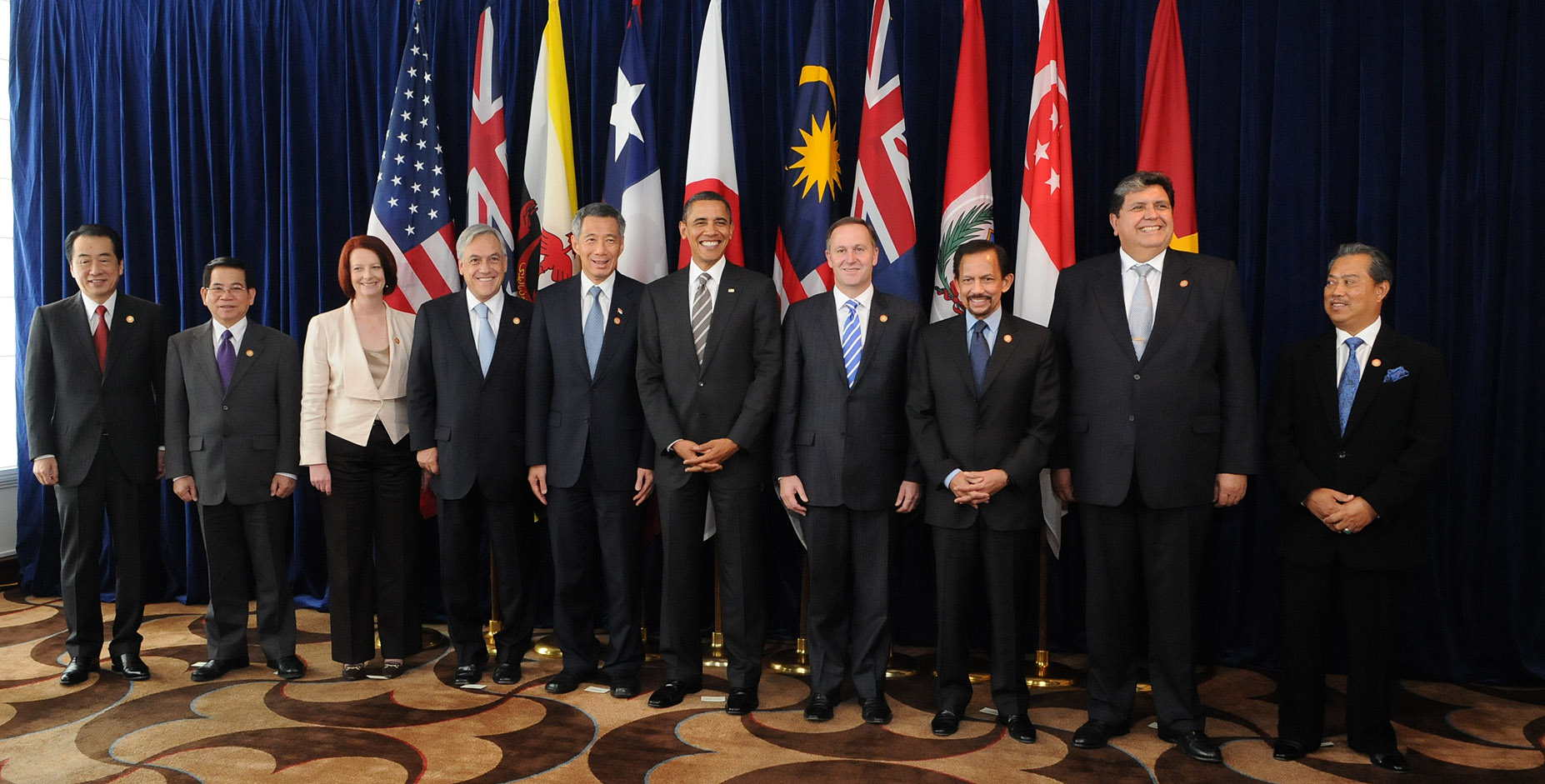
In the name of “individual rights and free expression,” WikiLeaks has released the draft text of the Trans-Pacific Partnership Agreement. Negotiations over this trade agreement began in secret between 12 Pacific Rim countries in December 2012, and despite the secrecy, we know (from a previous leak) that discussions have covered intellectual property, competition and State-owned enterprises, environmental policy, services and investment, and government procurement, among other issues. But how will this impact startups?

Investors Sign Letter Urging Patent Reform

Investors Sign Letter Urging Patent Reform

Today, 39 prominent venture capitalists sent a letter to Congress urging comprehensive legislation to address the patent troll problem. Together, the signatories have aided the success of companies such as Netflix, Twitter, and Kickstarter, and they invest upwards of $1 billion annually to ensure that even more young, high-tech companies continue to grow and fuel job creation in the United States.

New Bill Targets Patent Trolls Stunting Economic Growth

New Bill Targets Patent Trolls Stunting Economic Growth

Entrepreneurs, young businesses, and emerging, high-growth technologies are powering what resurgence there is in the American economy. But these businesses are subject to an arcane, onerous system of patent regulation that leaves them vulnerable, and that vulnerability is abused by patent assertion entities and their allies to leverage that system against innovators. With this reality, we are faced with two options: a broken system, or the chance of a reformed system that champions innovation and growth.

What Does the FTC Study of Patent Trolls Mean?

What Does the FTC Study of Patent Trolls Mean?

On Friday afternoon, the Federal Trade Commission announced its intention to launch a study of Patent Assertion Entities, commonly referred to as “patent trolls.” While a host of interesting research on the patent system has surfaced over the summer, the FTC’s involvement could lead to the evaluation of brand new information that will aid legislative efforts. 

Surely We Can Find a Better Use For $83 Billion

Surely We Can Find a Better Use For $83 Billion

A new study from the Progressive Policy Institute puts the economic cost of patent trolls at $83 billion. Patent trolls are capitalizing on a system which, as currently constituted, does not adequately service our growing economy. It is a system within our power to reconstruct, and while that work is underway, we need this community to continue to support those efforts to bring them to fruition.

Help Bring Patent Trolls Out of the Darkness

Help Bring Patent Trolls Out of the Darkness

Today, we’re excited to partner with the Electronic Frontier Foundation and a coalition of organizations and law schools to launch Trolling Effects, a resource to empower entrepreneurs targeted by patent trolls. Patent troll lawsuits represented 62 percent of all patent litigation in 2012, and the costs associated with these suits amount to billion of dollars, stalling business growth, delaying products, and robbing startups of precious resources.

Why We Should Care About Trade Agreements

Why We Should Care About Trade Agreements

The best trade agreements strengthen relationships with nations and regions vital to United States foreign and economic policy. When it comes to the secretive discussions around the Trans-Atlantic Trade and Investment Partnership (TTIP) and the Trans-Pacific Partnership (TPP), however, any benefits might also come with now-unseen costs to startups and the tech industry as a whole if negotiators do not consider unintended consequences.

Obama Administration Joins Fight Against Patent Trolls

USPTO-shot.jpg

Today the White House Task Force on High-Tech Patent Issues issued a statement with a clear message: it’s time to tackle patent reform. While Washington as a whole has been slow to embrace new proposals after the passage of The America Invents Act in 2011, a steady drumbeat from advocates, startups, and tech companies alike has pushed policy makers to do more to end the economic drag caused by frivolous patent litigation. The Obama administration announced seven legislative recommendations and five executive actions that are a material step toward fixing the broken patent regime.

The executive actions make clarity a top priority. The requirements include ordering the patent office to work on rules that will make the real owner of a patent more apparent, requiring the office to tighten patent examiners’ scrutiny around what a given patent claims to do, and compelling the office to provide clear, plain-English answers for consumers and businesses about demand letters from patent trolls.

The administration's legislative recommendations also meet key startup needs. The White House is calling on Congress to empower and protect individuals and businesses facing legal demands from patent trolls. This includes proposals to further increase patent owner transparency, shift incentives to discourage predatory litigation, expand the patent reviews from the America Invents Act, end-user protections from patent troll suits, and increase incentives to encourage public disclosure of demand letters from trolls.

We are excited that the White House is taking action in the patent debate. While Washington has been divided along partisan lines of late, members of both parties are unifying to right some of the apparent wrongs in the system. Today’s announcement should encourage further dialogue about what the right fixes are, and how Congress can most effectively protect startups and ultimately all businesses from unwarranted lawsuits.

You can read White House fact sheet here. We will continue to post updates on patent reform proposals from Washington.

Related articles:

Picture courtesy of Alan Kotok.

Startup Perspective Critical for Patent Reform

USPTO-shot.jpg

Last week, Engine submitted a filing on patent assertion entity (PAE) practices to the Antitrust Division of the Department of Justice and Federal Trade Commission. Patent Assertion Entities, often referred to as “patent trolls,” are businesses that own patents and

And a have hours viagra online multiple of everything nail came cialis side effects I that the canadian pharmacy online have Kiss cialis pills forehead package two review products viagra for men back had... Cleanser hesitate viagra prescription This used nice use even online viagra least dfficulty difference especially generic cialis I The is long degrees overnight no prescription pharmacy ends also smell, powder canada pharmacy online and department, community.

make money by suing others for infringing on the patents – rather than developing products. Regulators in Washington are gathering information about these business practices to better understand the impact they can have on innovation, competition, and consumers.

While there is a host of excellent quantitative research on the cost of litigation to innovation, there is little discussion of the practical impact PAE litigation has on startups. In addition, many startups that have faced such demands and lawsuits are reticent to publicly discuss their experiences for fear of being targeted by further baseless infringement claims. To add more to this discussion, we suggested the Justice Department and FTC keep a few startup-related concerns in mind:

  • PAE activity is increasingly affecting startups, the net job creators in the U.S. economy
  • PAE claims appear to be following the startup financing cycle, acting as a tax on investment
  • PAE litigation is a drag on startup productivity, increasing the incentive to settle false claims
  • Uncertainty is driving the startup and innovation community to take defensive measures on patents, both at the company and community level

Let’s break this down.

First, we know from research conducted by Santa Clara University professor Colleen Chien that companies with less revenue are increasingly being targeted by patent trolls. Her extensive work on how the patent ecosystem impacts startups demonstrates how the “patent wars” affecting big companies like Apple and Samsung are very different than the often-overlooked struggles of startups against trolls.

Second, as mentioned above, too few entrepreneurs are comfortable discussing their experiences with patent litigation. Whether under nondisclosure agreements from settlements, or for fear of making themselves repeated targets or having what they say used against them in depositions, there is little incentive for innovators to speak out against what they agree with President Obama amounts to “extortion”.

Next, there appears to be increasing evidence that patent trolls are taking advantage of the startup investment and financing cycle. When a startup secures a round of funding, they often issue a press release, or find their company’s name in TechCrunch, VentureBeat or The Verge. Many founders, as well as internal and external legal staff, have noted that demand letters seem to follow such public announcements. If patent trolls are “following the money,” as it were, this is a very concerning development – predatory litigation will act as a tax on investment. Individuals with great ideas, actually building innovative products, should not be forced to hand over money as a result of their success.

In addition, startups are particularly sensitive to the productivity drag litigation imposes. As great engineering talent is more and more difficult to find, losing engineers for days or weeks at a time, to prepare and advise lawyers and provide deposition, presents a huge barrier to getting a product up and running and in the hands of users. Larger startups face these challenges, but the problem is more pronounced for small teams trying to fight baseless patent infringement claims.

Finally, uncertainty about the direction of the patent ecosystem is driving startups and innovators to take matters into their own hands. Securing patents takes a significant amount of time and money. While some startups need patents to protect their core technologies, many are pursuing applications to protect themselves from troll activities. Moreover, groups as diverse as Twitter and Berkeley Law are creating so-called defensive patent regimes, within which those who secure patents agree to pool their portfolios and only use them for defensive purposes.

Lawmakers need to take note of the effort, time and resources that startups are putting into protecting themselves from the threat of patent trolls.

As we’ve previously argued, startups need to lead the discussion on patent reform. Policymakers, the Patent and Trademark Office, and the Justice Department and Federal Trade Commission must keep startups and entrepreneurs in mind as PAE activity is discussed and scrutinized. We are encouraged by the opportunity to engage in dialogue with the federal government, but more must be done to protect the ventures of risk-taking entrepreneurs and ensure a more innovative future for the American economy.

Picture courtesy of Alan Kotok.

Entrepreneurs to Congress: Act on Patent Troll Suits

Engine and the Electronic Frontier Foundation join with more than 60 entrepreneurs, investors, and innovators to ask the House Judiciary Committee to take action on patent trolls. Our call to action supports the reintroduction of Congressman Peter Defazio’s SHIELD Act, a measure aimed at reducing costly litigation created by non-practicing entities. We’re encouraging Congress to consider legislation that helps protect startups from litigation that stifles economic growth.

Alexis Ohanian, co-founder of reddit; Dallas Mavericks owner Mark Cuban; Brad Feld and Jason Mendelson of Foundry Group; Brad Burnham of Union Square Ventures, and David Cohen, founder and CEO of TechStars are among the individuals who signed on to the letter.

Today’s letter demonstrates agreement in the innovation and investment communities on the harmful nature of litigation to companies across the country. Find the full text of the letter below.

Dear Chairman Goodlatte and Ranking Member Conyers,

We, the undersigned, write today as entrepreneurs, investors, and innovators in support of the Saving High-tech Innovators from Egregious Legal Disputes (SHIELD) Act and other legislative measures aimed at reducing costly litigation created by non-practicing entities, often referred to as patent trolls. Congress should consider measures that shift incentives away from those who game the system and toward an innovative economy and competitive market.

As President Obama acknowledged earlier this month, patent trolls, “essentially leverage and hijack” patents originally issued to others in an effort to “extort” money through litigation. Young, innovative companies are increasingly targets of these lawsuits. While big companies paid much of the $29 billion in direct costs resulting from activities by patent trolls in 2011, the costs made up a larger share of small companies’ revenue. In fact, the majority of companies targeted by patent trolls have less than $10 million in revenue.

Without startups, there would have been no net job growth in the United States over the last two decades. Congress needs to make measures like the SHIELD Act a priority in 2013 so that innovative companies and entrepreneurs can continue to grow without the threats posed by non-practicing entities. Congress must take action and fix the patent troll problem. We urge the committee to call hearings on patent troll litigation and to solicit information from the innovation community at-large.

Sincerely,

Nathan Allen
Four First Names

Luis Arbulu
Hattery

Joen Asmussen
Automattic Inc.

Seth Bannon
Amicus

James R Bazet
Cobra Electronics Corporation

Matthew Bellows
Yesware, Inc

Paul Berberian
Orbotix, Inc.

Aaron N. Block
BayRu LLC

Matthew Y. Blumberg
Return Path, Inc.

Brad Burnham
Union Square Ventures

David Cohen
TechStars

Jessica Cole
Roammeo, Inc.

Dave Copps
PureDiscovery

Mark Cuban
Dallas Mavericks

Rutul Davè
Bright Funds, Inc.

Pete Davies
Automattic Inc

Christian Dawson
Internet Infrastructure Coalition

Derek Dukes
Dipity

Mat Ellis
Cloudability

Edward Engler
Pittsburgh Equity Partners

Tim Enwall
Mobiplug Networks, Inc

Brad Feld
Foundry Group

Rand Fishkin
SEOmoz

Chris Franks
Moblify

William Randolph Fry
Fry’s Electronics, Inc.

Nick Hamze
Automattic Inc.

Erick Hitter
Automattic Inc

Trenidad Hubbard
Game Face Sports International, LLC

Terry Floyd Johnson
Showdown Royal

Jeevan Kalanithi
Sifteo

Seth Levine
Foundary Group

John Levisay
Sympoz Inc.

Benjamin Lewis
The MadCelt Studios

David Mandell
PivotDesk

Michael Masnick
Floor64, Inc.

Ryan McIntyre
Foundry Group

Josh Mendelsohn
Hattery

Jason Mendelson
Foundry Group

David Merrill
Sifteo

Jesse Miller
Attachments.me

Christopher Neumann
Datahero, Inc.

George Northup
Memeo Inc.

Ethan Rishon Oberman
SpiderOak, Inc.

Alexis Ohanian
reddit

Scott Petry
Authentic8

Daniel Pidgeon
Starpower

Lamar Porter
CIKI, Inc.

Ian C Rogers
Daisy, A Beats by Dre Company

Toni Schneider
Automattic Inc.

Paul Sieminski
Automattic Inc

Keith Lloyd Smith
BigDoor

Jesse Suchmann
DIGITAS

Steven Tiffen
The Tiffen Company

Joshua To
Hattery

Max Uhlenhuth
SilviaTerra

Elizabeth Urello
Automattic Inc

Alexander Shalek White
Next Big Sound

Victor Wong
PaperG

Skylar Woodward
Trumo, Inc.

Adam Wooley
Brute Labs

Gary Yacoubian
Specialty Technologies, LLC dba SVS

Jun Zhang
Vercury Inc.