
Stay up to date with
Engine’s weekly newsletter:
NEWS FEED

Startups and State Privacy Laws
Consumer privacy has been on the minds of companies, regulators, and consumers in the wake of high-profile privacy missteps by major Internet companies and sweeping new privacy rules in Europe. While the U.S. approaches consumer privacy law on a sector-by-sector basis, states are using the momentum around the consumer privacy debate to pass their own varying — and sometimes conflicting — laws.

DACA decision is make or break moment for startups
The fate of up to 800,000 individuals and their ability to live and work in the United States will be decided in the coming months, as the Supreme Court heard oral arguments on Tuesday for the consolidated cases challenging the Trump Administration’s termination of the Deferred Action for Childhood Arrivals (DACA) program. While the justices appeared split in their questioning, the outcome of this case will not just have ramifications for the recipients and their communities, but also stands to impact the desirability of the United States as a destination for high-skilled workers to put their skills and entrepreneurial initiative to the test.
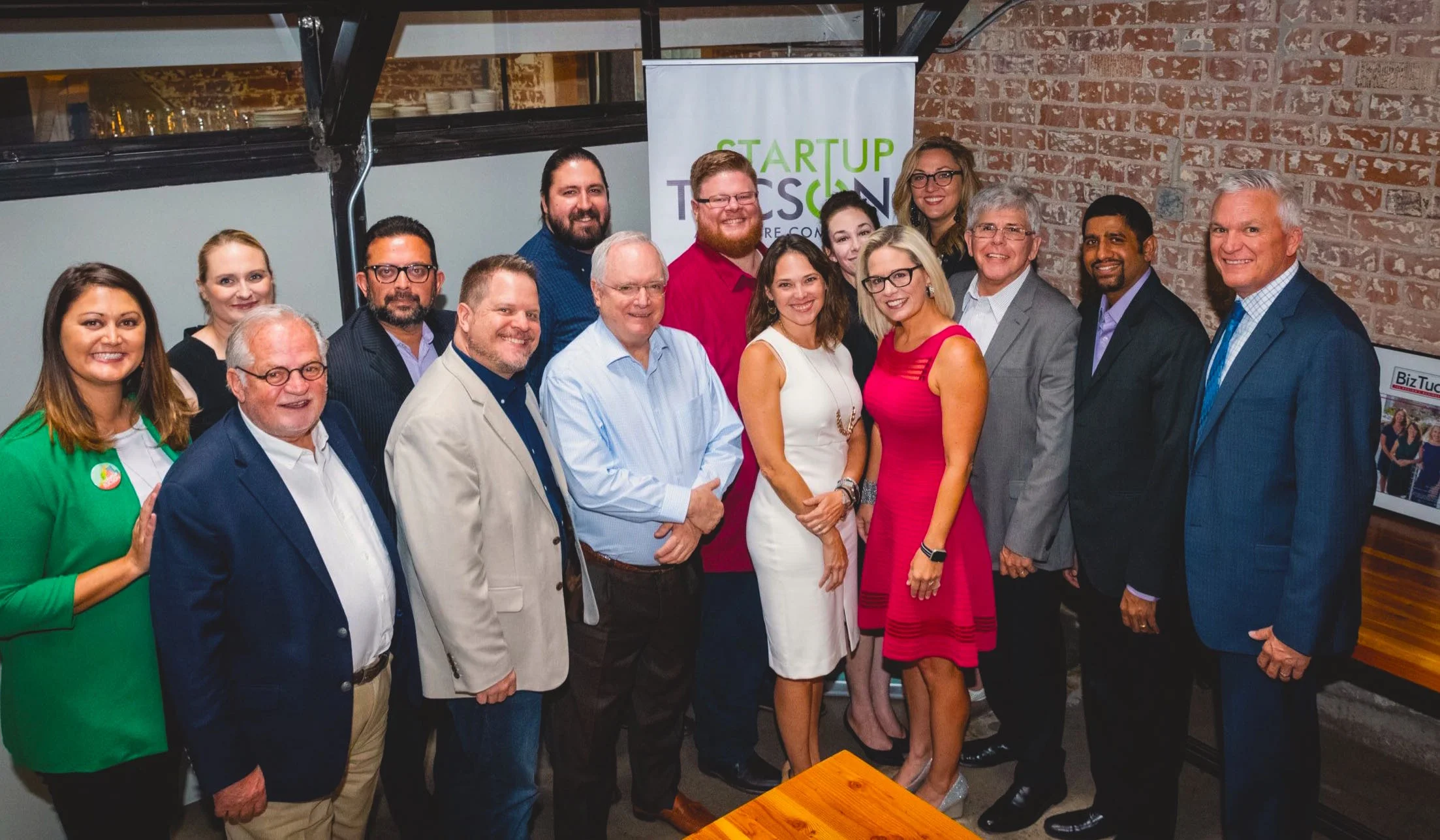
Congressional Startup Day 2019
Last month, throughout the final weeks of August, more than 50 members of Congress and their staff met with over 75 startups across the country, making Congressional Startup Day 2019 a smashing success.

The Coming “Privacy Troll” Problem
Congress is currently at work on a federal privacy bill that will hopefully strengthen consumer privacy while correcting some of the problems with state privacy laws like the California Consumer Privacy Act. While this is a good sign for the startup community, some policymakers are pushing for a provision in the draft federal privacy bill that could open the floodgates to expensive, bad-faith lawsuits against startups.

Engine Weighs in on Section 512 Study
Earlier this week, Engine representatives participated in the U.S. Copyright Office’s Roundtable discussion on the impact and effectiveness of section 512 of the Digital Millennium Copyright Act (DMCA). The DMCA—and the safe harbor provisions of the bill included in section 512— provide a framework to grant online service providers limited liability protections for copyright infringement stemming from user-generated content.

The importance of well-crafted federal privacy protections to startups
Engine Executive Director Evan Engstrom testified before the Senate Commerce Subcommittee on Consumer Protection on why startups support strong privacy regulations that provide greater user choice and transparency but which don’t put them at a competitive disadvantage to large Internet companies.

How Startups are Assessing the United States-Mexico-Canada Agreement
As 2018 comes to a close, one key policy area that is sure to take center-stage in 2019 is the passage of the updated North American Free Trade Agreement (NAFTA), renamed the United States-Mexico-Canada Agreement (USMCA). While the USMCA is a big win for startups in several areas, Congress should continue to push the Administration in two areas to ensure that entrepreneurs will flourish under the new agreement. Overall, the USMCA sets a high standard for future free trade agreements and will positively impact the growth of American startups.

The Privacy Debate Needs the Startup Perspective
As debates about privacy rules continue in the U.S. and Europe, it’s important for regulators and lawmakers to think about what changes could mean for startups and other small businesses, not just giant corporations.

USPTO Weakens Important Program for Fighting Patent Abuse
Earlier this year the USPTO proposed a rule to change the standard, known as BRI, by which patents are evaluated during PTAB reviews. On Wednesday, USPTO announced a final rule that does away with the BRI standard in favor of a more restrictive alternative.

Engine Files Amicus Brief in La Park La Brea v. Airbnb
Last week, Engine filed an amicus brief in La Park La Brea v. Airbnb, a case pending before the Ninth Circuit that presents serious questions about the viability of Section 230 of the Communications Decency.

Letter from Online Creator Platforms on Article 13
Current legal frameworks have allowed us to build creative online communities that have enabled musicians, writers, artists, developers, designers, and filmmakers throughout Europe to access a global online market. We are concerned that proposed changes to the European Copyright Directive, specifically Article 13, will threaten the existence of these vibrant online communities.

One Year After TC Heartland, Texas NPEs Migrate to Greener Pastures
A year after the Supreme Court’s unanimous decision in TC Heartland LLC v. Kraft Food Group Brands LLC, however, Marshall may be returning to the normalcy of tumbleweeds and prairie, as NPEs who once filed there flock instead to other jurisdictions.
GDPR and the U.S. Startup Ecosystem
As of today, Europe’s new sweeping Internet privacy rules have gone into effect, and companies of all sizes and all over the world that have Europeans’ data are rethinking how they collect and process user data.

Meet Jen Fox, Engine's Manager of External Affairs
I’m Jen Fox, Engine’s Manager of External Affairs. I am excited to work with America’s startups across the country, and I want to get to know what issues matter most to you and your startup. Can you fill out this survey?

Leaving Startups in the Slow Lane
Internet service providers would like you to think there’s broad agreement on net neutrality because everyone agrees cable companies shouldn’t block or slow access to websites and online services. But mention the words “paid prioritization” and you’ll get a much different reaction. The issue is sure to divide the House Energy and Commerce Committee during its hearing on the topic next week.

A Call for Cross-Border Cooperation
Even as a years-long fight over government access to foreign data heads to the Supreme Court, Congress still needs to solve the problem of cross-border information requests.

Guest Post: Loss of Net Neutrality Puts Innovation at Risk in Hawaii
The world of innovation is at an exciting point in time, unrivaled by anything we’ve ever seen before. The cost of launching a startup has never been cheaper and the process has never been more efficient. This is largely due to reduced business costs (e.g. server fees) resulting from advancements in technology services and internet access. What once cost a startup hundreds of thousands to millions of dollars in capital expenditures just to get to the starting line is now accessible to almost anyone for much, much less. With the Internet, the distance between business and consumer has also shortened drastically; marketing directly to your customer demographic across the world is now possible. Additionally, information in the form of advice, mentoring, and best practices is now abundant and accessible. What was once restricted to Ivy League schools or knowledge bases such as New York and San Francisco is now available for free online.

Panel Round-Up: Design Patents and Defining the Article of Manufacture
The panel discussion, “Design Patents and Defining the Article of Manufacture – One Year Later,” was moderated by Julie Samuels, President of the Board at Engine Advocacy and Executive Director at Tech:NYC. The expert panel also featured Charles Duan, Senior Fellow and Associate Director of Tech and Innovation Policy at R Street Institute; G. Nagesh Rao, a 2016 USA Eisenhower Fellow and former Patent Examiner and Senior Policy Advisor at the USPTO; and Matthew Levy, former Patent Counsel at the Computer and Communications Industry Association (CCIA).