
#StartupsEverywhere: Alejandro Mieses, CEO & Founder, TerraFirma Software
This profile is part of #StartupsEverywhere, an ongoing series highlighting startup leaders in ecosystems across the country. This interview has been edited for length, content, and clarity.
A new, targeted approach to environmental risk assessment
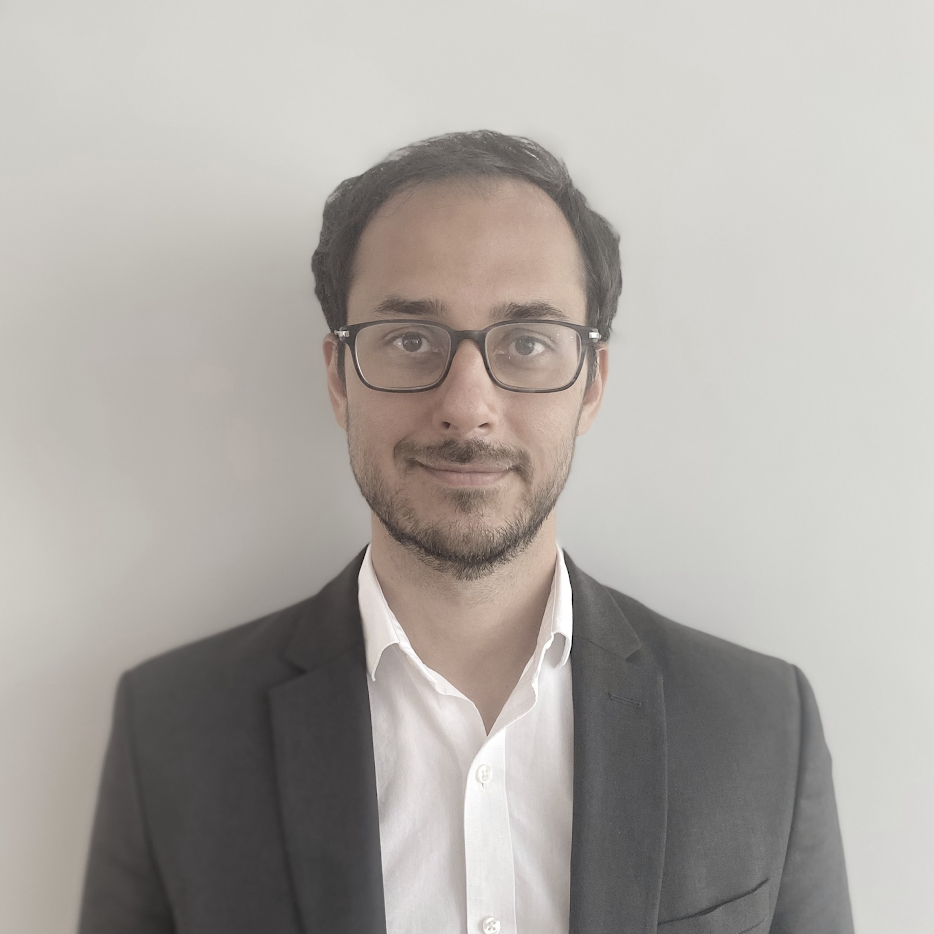
Professor Alejandro Mieses Castellanos is the founder and CEO of TerraFirma, a Puerto Rico-based startup that utilizes satellite data to provide localized geographic information for academic research, land management, and development purposes. We sat down with Professor Mieses, to talk about his approach to intellectual property, the state of grant funding, and more.
Tell us about your background. What led you to TerraFirma?
As a professor of Architecture for over ten years now, I realized that the way we’re teaching sustainability lacks fundamentals; we need a standard way to study the environmental systems we impact. I decided to start building software to develop those standards. Currently, TerraFirma covers the island of Puerto Rico, and helps researchers, conservationists, and builders here conduct environmentally-informed research, and work.
What is the work you all are doing at TerraFirma?
TerraFirma uses publicly accessible satellites to model environmental data, including solar exposure, flooding, wind-related risks, and sea level rise at a meter resolution. We set ourselves apart from our competitors by providing data for very local landscapes. For example, when a house floods, it floods through a very specific channel in its neighborhood. Our goal is to scale TerraFirma to where it can provide any user with the geographic tools to solve environmental issues in their own communities.
How did you go about building TerraFirma’s tech stack and how do you protect any new, innovative technologies you create?
Our AI models are proprietary that interpret multiple publicly available data sources and then provide detailed geographic feature information to our users. When we started building our models, we decided to protect our intellectual property with trade secrets rather than patents. We don’t have the resources to go on the public carousel of protecting our models through patenting after it’s published. By deciding to go the trade secrets route, we are able to avoid potential issues with patent trolls.
What has been your experience pursuing grant funding in Puerto Rico?
Our funding comes through a combination of state and federal grants, both scientific and business. They allowed us to refine our strategy, build a team, address customer needs, and better define our target customer profile. There are a lot of grant opportunities on the island. My academic background gives us a leg up in applications, but we have also benefited from access to a grant writer from thePuerto Rico Science Trust, a non-profit that funds entrepreneurship and scientific research in Puerto Rico. There are a couple of other organizations that help Puerto Rican entrepreneurs seek out grant money, but most of them only focus on the Small Business Innovation Research (SBIR) program.
In 2023, the Puerto Rico Science Trust was very helpful in our pursuit of a SBIR Grant, however, we still faced challenges with our application. Mainly, language barriers and overall awareness of the process. Only after submitting our SBIR application did we learn that a lot of information about how to tailor our applications to a specific agency was mostly hearsay. We received great marks from our SBIR application, but fell just short of being recommended for funding.
Today, accessing grant funding feels even more uncertain. We had one that was dismissed recently and that hit us quite hard. Fortunately, we’ve been able to manage.
In your opinion, what can be done to improve the experience of fundraising from Venture Capital (VC) firms?
Raising capital feels like an occult science. You don’t exactly know the background of the person you’re meeting with or how your company may change by raising money from one investor versus another. Getting a clear picture of the funding landscape would be absolutely great. If we could somehow give startup founders more insights into the conversations happening behind closed doors, it would make for more productive conversations.
What are your goals for TerraFirma moving forward?
Right now, we're working with the Department of Natural Resources in Luquillo, on the northeastern side of the Island. Luquillo is a destination for tourists and endangered species. The local economy relies on beach tourism. The beaches in Luquillo are some of the most important on the Island, and they’re currently contaminated. TerraFirma is providing nature-based solutions to fix polluted waters, strengthen erodible areas, and stop people from losing their homes.
Our goal is to expand TerraFirma beyond Puerto Rico. We are conducting detailed assessments of target regions, including Florida, the Dominican Republic, and Brazil, to ensure we enter markets where we can have the greatest impact and success.
All of the information in this profile was accurate at the date and time of publication.
Engine works to ensure that policymakers look for insight from the startup ecosystem when they are considering programs and legislation that affect entrepreneurs. Together, our voice is louder and more effective. Many of our lawmakers do not have first-hand experience with the country's thriving startup ecosystem, so it’s our job to amplify that perspective. To nominate a person, company, or organization to be featured in our #StartupsEverywhere series, email advocacy@engine.is.
