
#StartupsEverywhere: Kurt Hackenberger, Co-Founder & CEO, Claryx
This profile is part of #StartupsEverywhere, an ongoing series highlighting startup leaders in ecosystems across the country. This interview has been edited for length, content, and clarity.
Recalibrating the standard of hospital safety
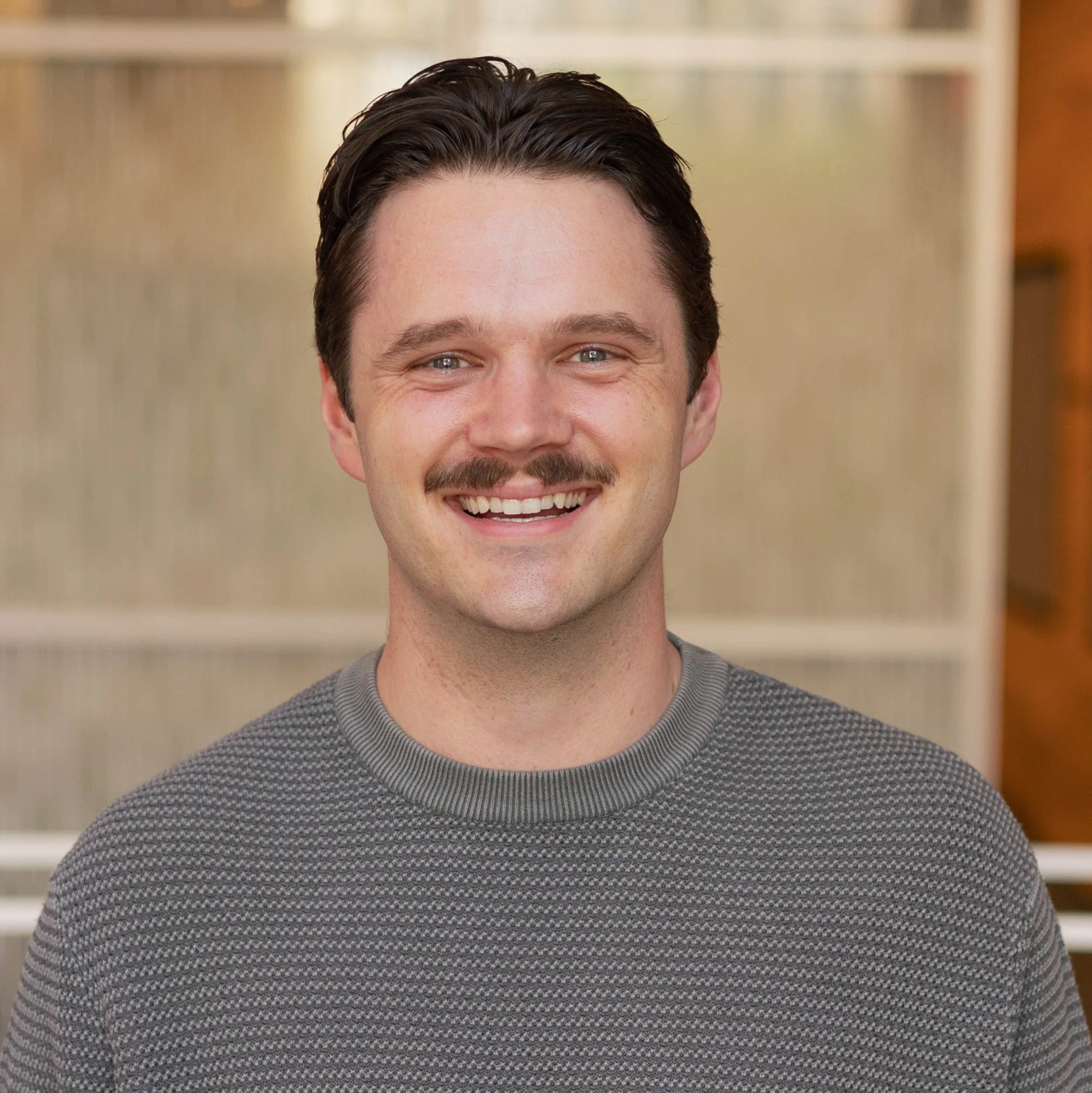
Inspired by a childhood crisis, Kurt and his brother, Dirk Hackenberger started Claryx, an infectious disease genomic intelligence platform that enables hospitals to trace outbreaks to their source. We sat down with Kurt to talk about his journey from investment banking to startup founder, the benefits of building a startup in the U.S., and how advances in AI have made technologies like Claryx possible.
Tell us about your background. What led you to Claryx?
When my brother, Dirk, and I were little kids, our grandmother went into the hospital for a routine checkup and ended up contracting Clostridioides difficile (C. diff.), which caused sepsis that nearly ended her life. So for us to be today creating a real flywheel to identify, mitigate, and prevent hospital-acquired infections is something we hold close to our hearts.
Dirk and I went into fields that allowed us to start Claryx. I initially worked in door-to-door pest control sales after my first year of college, then found myself in investment banking, before makin the move to NYC and working my way up to Vice President at the Carlyle Group. Dirk pursued a Ph.D. in biochemistry and genomics. Eventually, we started to build Claryx based on my business background and Dirk’s doctoral research.
What is the work you all are doing at Claryx?
At a super high level, we’re doing a ton of DNA sequencing from hospital environments spanning from the air in patient rooms to the water in surgery sinks. This creates a snapshot of the microbiome in that hospital, or a wing within it, or even a room within that. Then we sequence patient infections, allowing us to trace the source of the transmission, creating a flywheel for hospitals to stop the infections before they spread.
We hope to have individual sensors in every patient room in each hospital we operate in because we truly want to be able to create a microbiome profile where every room is sequenced so those hospitals can understand how various pathogens move across their space over time. The flywheel we’re creating will help save and improve patient outcomes and save hospitals millions in treatment costs.
As a Canadian innovating in the U.S., are there any particular policies that have helped you succeed as an entrepreneur?
The E-2 Visa is an incredible avenue for foreign born entrepreneurs to enter America when they’re building a business. Visa programs for entrepreneurs drive innovation within America. I had to pledge a significant amount of my own personal capital to the business, but in return I was able to build Claryx in America, hire talent here at home, and pursue U.S. intellectual property protections. On top of that, we weren’t able to start Claryx in Canada, unfortunately. There’s only one provider of hospitals in Canada, being the government, so it makes it very difficult as a small startup to convince Canadian Medicare to adopt our technology across all Canadian hospitals. Here in the U.S., however, we’re seeing a lot of traction. In New York alone, we’re already in contract with 21 different health systems.
How have recent advancements in AI benefited Claryx’s operations?
Our sensors are designed and printed in-house. We have a large three-dimensional printer beside me that is running nearly 24 hours a day. The barriers to entry for creation have come down a ton over the last year, and we are now fully automated in our own production line. We can now have Claude create our computer-aided design drawings and then directly render that into our suite and create something I can test and hold in my hand the same day. This leap in productivity has been a huge accelerant for prototyping.
AI isn’t replacing people in healthcare anytime soon, if ever. Claryx is using AI to ensure better outcomes for patients. The only way we can do all of this infection tracing is thanks to our digital simulation of individual hospitals. Those digital simulations require continuous, ongoing data from the physical world. AI is the only digital tool that can keep up with that data and provide timely, actionable conclusions from our simulations.
Are there any local, state, or federal startup issues that you think should receive more attention from policymakers?
Hospital-acquired infections are associated with more deaths each year than car accidents or breast cancer. One in every 38 admitted American patients contracts a hospital-acquired infection. This is something that actually plagues a ton of Americans, and it’s not the hospital’s fault. Hospitals have been doing the absolute best with the tool they’ve had. The technology to literally map the air would not exist without advancements in genomics and AI. Policymakers need to think carefully and critically about how they regulate new technologies so that life-saving tools like Claryx can still make it to the institutions that need it the most.
What are your goals for Claryx moving forward?
I want to see Claryx in every single hospital across America. We’re seeing a ton of traction, and a ton of hospitals are super excited about our technology. I’m excited to expand beyond the initial hospital deployments that we find ourselves in right now, and bring this technology to as many people as possible. My fundamental belief is that Claryx has the capacity to redefine what the standard of care should look like for infectious disease everywhere.
All of the information in this profile was accurate at the date and time of publication.
Engine works to ensure that policymakers look for insight from the startup ecosystem when they are considering programs and legislation that affect entrepreneurs. Together, our voice is louder and more effective. Many of our lawmakers do not have first-hand experience with the country's thriving startup ecosystem, so it’s our job to amplify that perspective. To nominate a person, company, or organization to be featured in our #StartupsEverywhere series, email advocacy@engine.is.
