
#StartupsEverywhere: Durham N.C.
#StartupsEverywhere: Michael Halpert, Founder, Ver Coaching
This profile is part of #StartupsEverywhere, an ongoing series highlighting startup leaders in ecosystems across the country. This interview has been edited for length, content, and clarity.
New Aptitude for Athletes
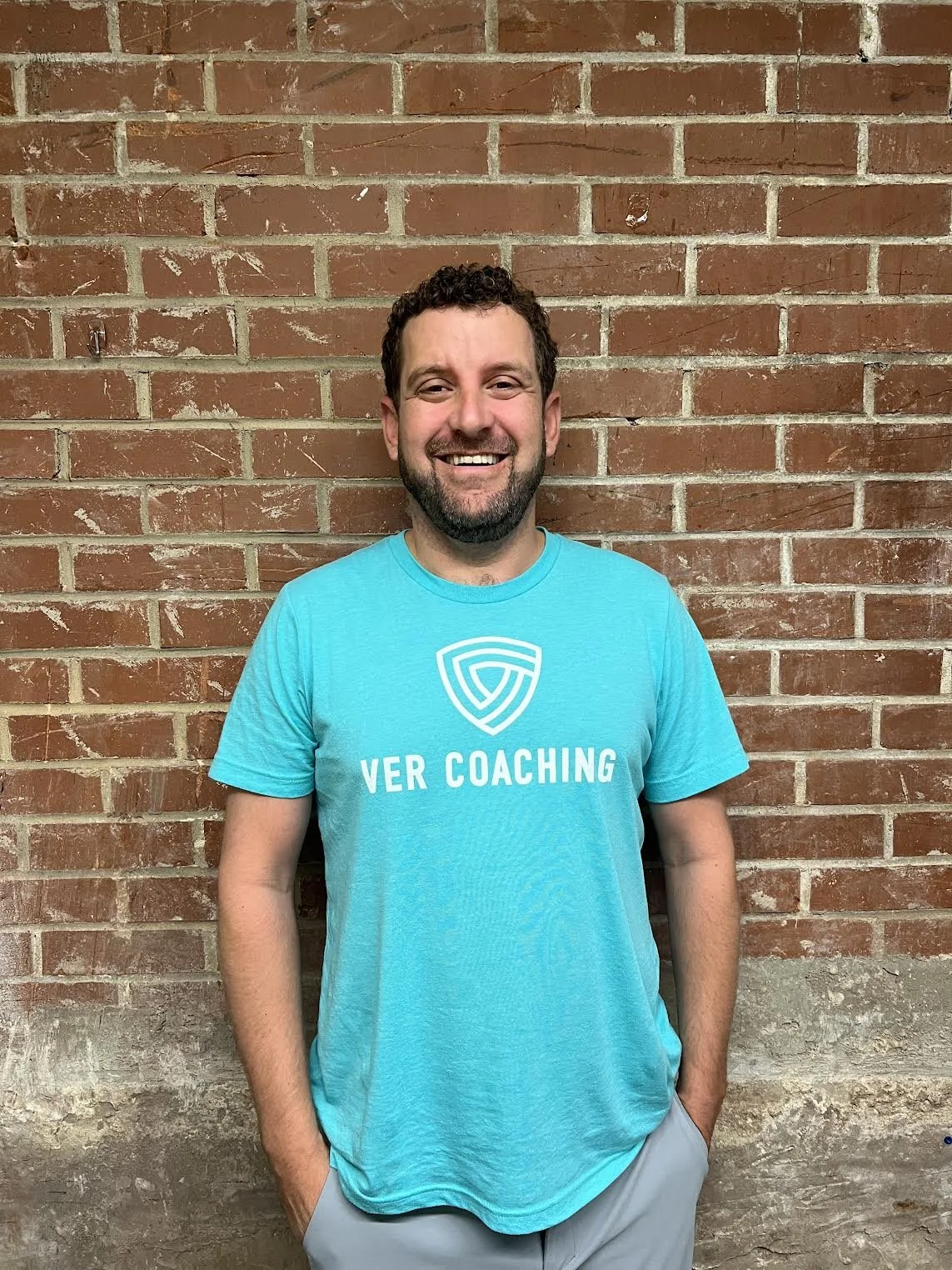
Based in Durham, North Carolina, Ver Coaching utilizes virtual reality to help athletes refine their visual skills and enhance their mental performance. We sat down with founder Michael Halpert and discussed grants that helped launch the platform, patents, accessibility and educational barriers, and the future of Ver Coaching.
What led you to Ver Coaching?
My journey is informed by my own experiences growing up with dyslexia, teaching me the unique challenges and strengths that come with being a visual learner. The foundation of my work comes from my parents, who developed a program for right-brained learners.
The opportunity to turn this into a business came when friends secured a Small Business Innovation Research (SBIR) grant and created a virtual reality app for children with reading difficulties. I immediately saw the broader potential to apply the same principles to athletes. The same mental skills that help a middle blocker in volleyball read the defense can help a student with dyslexia read a book on grade level.
The development of the Ver Vision Trainer emerged from this research to help users build their eye muscles and enhance their visual processing abilities. Everyone possesses unique skills that the software allows them to uncover and improve. We've worked with a range of athletes, from professional baseball players to youth teams.
Can you tell me more about the technology you use at Ver Coaching and how it enhances athletic performance?
The Ver Vision Trainer is a VR app on the Meta Quest Headset that helps athletes enhance their performance by addressing the mental aspect of the game through vision. As someone who grew up with visual tracking issues, the program is desgined to be like a puzzle to train the muscles in both the right and left eyes to work in sync. This concept, supported by a National Science Foundation (NSF) grant for early reading work, enhances a child's ability to process visual information more efficiently. This applies to athletics as well; when an athlete can "pick up the ball sooner" they have a better performance and, critically, more confidence.
This technology isn't just for people with a diagnosed learning difference; it's for anyone looking to boost their processing speed. Many people, including athletes, suffer from visual tracking issues without knowing it. Athletes today are more open to this kind of training, recognizing that a mental performance tool is as crucial as a physical one. And the impact of this technology is immediate and tangible. For example, a Division I baseball player I work with had a teammate struggling with hitting. My client handed him the headset, and the teammate had a much better practice session the next day.
What have you learned from navigating patent protection for your product?
Our technology is patented, and obtaining this intellectual property protection is a long and expensive process. Ultimately, it is worth it because a patent is an important signal of security to investors. Investors want assurance about the value of their investment, and a patent signals that a startup can scale or lead to a profitable exit.
Can you tell me about your journey with capital acquisition?
The Research Triangle of N.C. is a great place to launch a startup. I won a $15,000 cohort award from a Fidelity Center for Applied Technology program, which I used to enhance the app's features.
I have avoided seeking funding through traditional channels, including SBIR grants. While the original technology was developed with a federal grant, the application process for such grants often requires extensive time and effort, with substantial chances of rejection. As a new founder, I would need to dedicate six to eight months to participate in the application cycle. The lengthy process, alongside high rejection rates, makes me hesitant to apply. Our current approach is to focus on launching our product to market and generating sales revenue before pursuing additional funding.
What should policymakers be aware of?
While my primary market is athletics, the Ver Vision Trainer has been used to increase processing speeds in students. Policy should focus on the fundamental learning needs of students. The solution requires funding to support children's learning methods rather than focusing solely on their acquired knowledge. With the right tools, a 12-year-old dyslexic student can experience significantly improved reading over three weeks, which says to me that his educational needs are not being adequately met. Then you have to factor in that public schools often lack sufficient funding and resources overall, which prevents them from prioritizing basic skills, such as processing speeds, which declined during the pandemic. We are not setting them up for success.
What are your goals for Ver Coaching moving forward?
Currently, I am pursuing non-dilutive grant funding, including a $50,000 grant from NC IDEA, a local foundation, with the potential to secure $75,000 in grants this year alone. My strategy is to first prove our value by getting the minimal viable product to market and generating sales.
My biggest mission is more personal—to normalize the conversation around neurodiversity in sports. I want to make the unique tools used by certain athletes more accessible and commonplace, incorporating them into the training routine to create a safe space where kids can focus on improving their performance without distractions. I want a 10-year-old kid to see an athlete they look up to using our tech and think, "That's me, too. I can be a great athlete and a great student.”
All of the information in this profile was accurate at the date and time of publication.
Engine works to ensure that policymakers look for insight from the startup ecosystem when they are considering programs and legislation that affect entrepreneurs. Together, our voice is louder and more effective. Many of our lawmakers do not have first-hand experience with the country's thriving startup ecosystem, so it’s our job to amplify that perspective. To nominate a person, company, or organization to be featured in our #StartupsEverywhere series, email advocacy@engine.is.
