
#StartupsEverywhere: Nadine Navarro, Founder & CEO, DraftyAI
This profile is part of #StartupsEverywhere, an ongoing series highlighting startup leaders in ecosystems across the country. This interview has been edited for length, content, and clarity.
Drafting with Drafty: AI for Immigration Lawyers
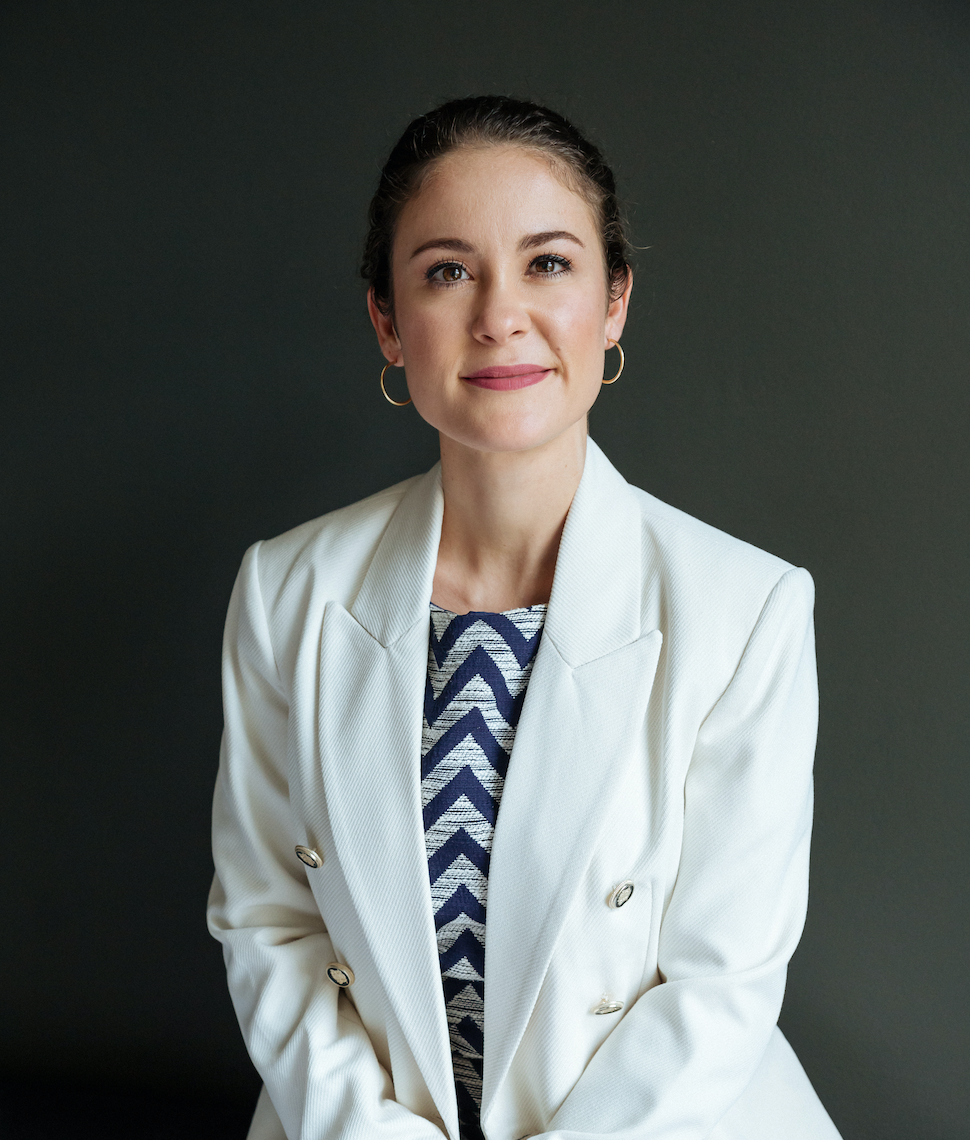
Coral Gables, Florida-based startup DraftyAI builds research and drafting software for immigration attorneys, turning their evidence and case information into complete legal briefs, including exhibit lists. We sat down with co-founder and CEO Nadine Navarro to discuss her path from running a solo immigration practice to building legal tech, the AI and data privacy questions facing startups that handle sensitive client information, and what U.S. immigration policy means for startups, as well as international talent.
Tell us about your background. What led you to DraftyAI?
I'm an immigration lawyer by trade, and I’d been practicing on my own for a several years when a friend of mine, a software engineer, told me he thought my industry could benefit from AI. This was 2022, and I was skeptical. I thought writing a legal document required a doctorate-level of thinking. He knew I worked with athletes and artists, so he found a random athlete in my industry, and asked ChatGPT to draft a P-1A visa petition. When he sent me the output, I was blown away. The law is an old school profession, late to adopt technology, and especially wary of tools that take the writing out of the lawyer’s hands. However, I saw a phenomenal opportunity, so my two co-founders and I built DraftyAI.
What is the work you all are doing at DraftyAI?
We built DraftyAI to improve the lives of other immigration lawyers. Attorneys give us (DraftyAI) the evidence for a specific case, tell us what they’re preparing—a T visa, an athlete case, an asylum case—and walk Drafty through the argument and any extenuating factors. Drafty fills in the gaps during research using our proprietary library of authenticated, sorted cases, so attorneys avoid that fake case law moment many of them fear. The result is a 15-30 page brief explaining the relevant law, the case’s merits, and the relief the client is seeking, along with the exhibit list.
What are the biggest challenges you see right now in the U.S. immigration system for startups trying to hire skilled talent from overseas?
The recent chaos with legal battles over the H-1B and other visas is leaving a lot of startups struggling to hire the talent they need. Startups depend on international employees to fill roles they cannot fill domestically, and a six-figure fee puts that talent out of reach. And it goes beyond that. I specialize in EB-1s and national interest waivers, which cover people most Americans would never expect to be caught up in immigration fights. These are the Michael Phelpses of the world—major CEOs, famous athletes, people at the very top of their fields—and yet they’re being affected too due to the unpredictability we are seeing with adjudications across the board.
As more policymakers are thinking about AI and data privacy regulatory frameworks, how are you navigating the changing policy landscape?
Lawyers working on cases often have people's Social Security cards, passports, or green cards uploaded into our database. We adhere to privacy frameworks and industry best practices, but there's a fear around how quickly large language models are adding capabilities and open questions about how much liability they're taking on versus us.
New guidance on AI and privacy comes out every year—sometimes every quarter—and organizations like the American Bar Association and the Florida Bar are constantly issuing new policies and standards. We’re advising our clients, who are all attorneys, to add a clause about large language model usage to their engagement agreements. If you use one of these tools as an attorney, you're protected by the work product doctrine. Your client using the same tool is not.
What has your experience been with capital access?
We've had support from peers and Plug and Play, but it’s been difficult. The market is very competitive right now, and a lot of VCs are also put off by the current political nature of immigration law. It’s also not helpful that there’s not much clarity on where the space is going, especially given the current environment. We are three immigrants who are passionate about what we're building. We’ve been bootstrapped up until recently and we're proud of that.
What are your goals for Drafty AI moving forward?
To serve as many immigration firms as possible in the coming quarters and to keep building a tool that helps attorneys work faster. We’re huge on integration. In legal tech, you see a lot of tools building walled gardens that don't integrate with anybody else. With Drafty, we’re building to make plugging into your case management software or your Drive as easy as possible. And we're constantly iterating and customizing for customers who need something different.
All of the information in this profile was accurate at the date and time of publication.
Engine works to ensure that policymakers look for insight from the startup ecosystem when they are considering programs and legislation that affect entrepreneurs. Together, our voice is louder and more effective. Many of our lawmakers do not have first-hand experience with the country's thriving startup ecosystem, so it’s our job to amplify that perspective. To nominate a person, company, or organization to be featured in our #StartupsEverywhere series, email advocacy@engine.is.